
Acne is one of the most common skin conditions affecting teenagers and adults. It can appear on the face, chest, shoulders, back, and even the neck. While many people think acne is just a few pimples, there are actually several different types of acne, and each type requires a different treatment approach.
Understanding the Different Types of Acne is the first step toward choosing the right skincare routine and medical treatment. Treating acne early can help prevent permanent acne scars, pigmentation, and recurring breakouts.
At Anudhi Clinic, our dermatologists diagnose the exact type of acne before recommending personalized treatments. This helps patients achieve clearer skin while reducing the chances of future breakouts.
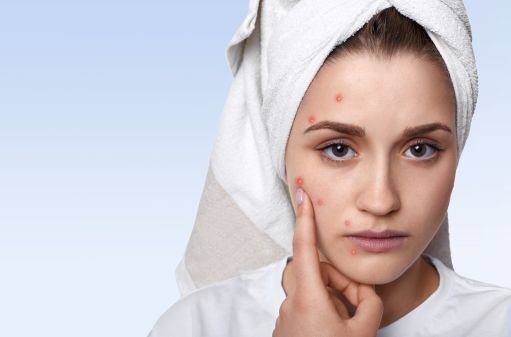
What Are the Different Types of Acne?
The Different Types of Acne are classified based on whether they are inflammatory or non-inflammatory.
Non-Inflammatory Acne
● Whiteheads (CLOSED COMEDONES)
● Blackheads (OPEN COMEDONES)
Inflammatory Acne
● Papules
● Pustules
● Nodules
● Cystic Acne
Knowing which type of acne you have is important because every type responds differently to treatment.
What Are the Different Types of Acne?
The Different Types of Acne are classified based on whether they are inflammatory or non-inflammatory.
Non-Inflammatory Acne
● Whiteheads (CLOSED COMEDONES)
● Blackheads (OPEN COMEDONES)
Inflammatory Acne
● Papules
● Pustules
● Nodules
● Cystic Acne
Knowing which type of acne you have is important because every type responds differently to treatment.
What Are the Different Types of Acne?
The Different Types of Acne are classified based on whether they are inflammatory or non-inflammatory.
Non-Inflammatory Acne
● Whiteheads (CLOSED COMEDONES)
● Blackheads (OPEN COMEDONES)
Inflammatory Acne
● Papules
● Pustules
● Nodules
● Cystic Acne
Knowing which type of acne you have is important because every type responds differently to treatment.
2. Blackheads (Open Comedones)
Blackheads form when clogged pores remain open.
The black colour occurs because the trapped oil oxidizes when exposed to air.
Symptoms
● Small black dots
● Usually painless
● Common around the nose and cheeks
Treatment
Dermatologists may recommend:
● Salicylic Acid
● Retinol
● Chemical Peels
● Professional extraction
Avoid squeezing blackheads at home because it can damage the skin.
3. Papules
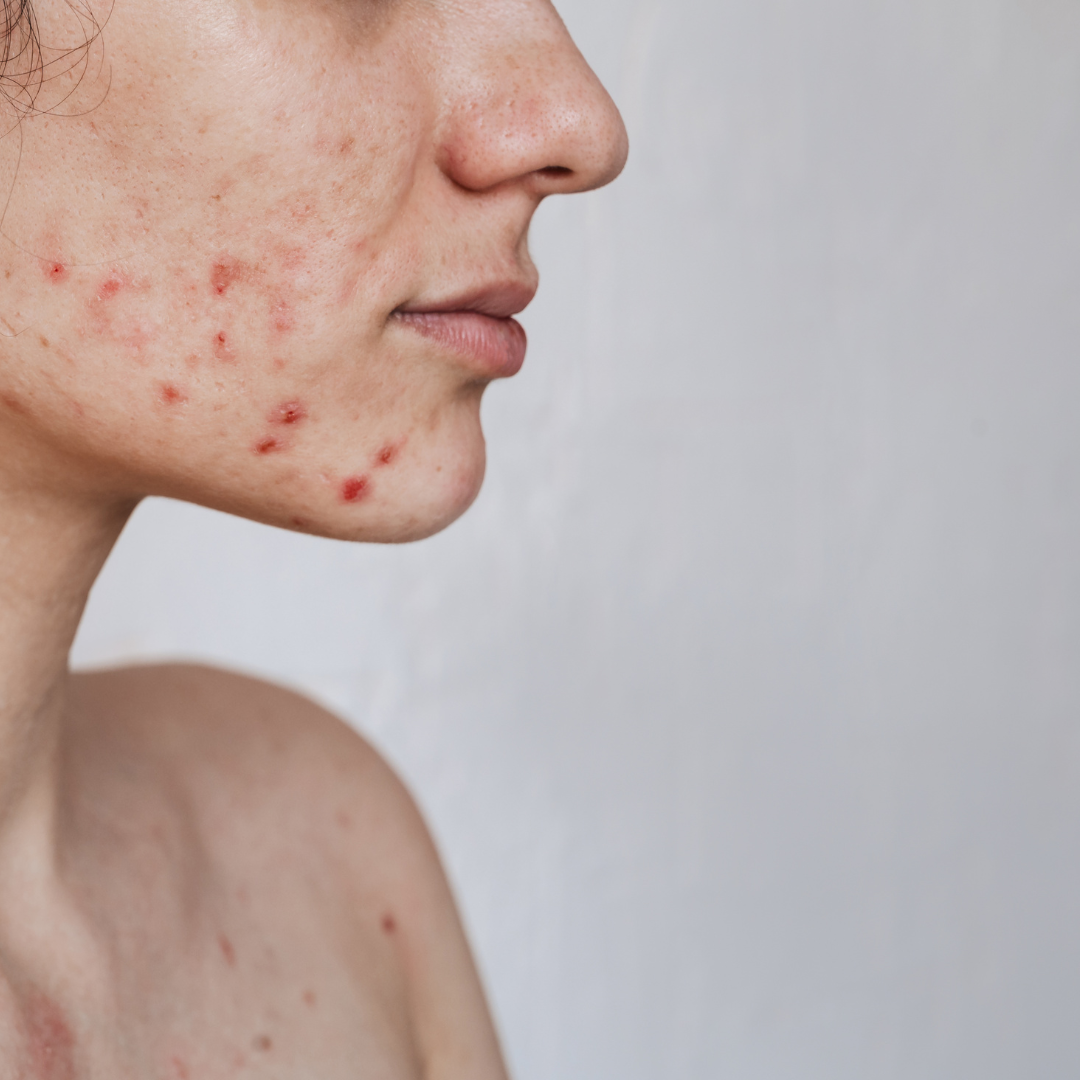
Papules are small red bumps that develop when clogged pores become inflamed.
papules do not contain pus.
Symptoms
● Red bumps
● Tender to touch
● Mild swelling
Treatment
Treatment usually includes:
● Cold plasma treatment
● Topical antibiotics
● Benzoyl Peroxide
● Retinoids
● Anti-inflammatory skincare
Early treatment helps prevent progression into more severe acne.
4. Pustules
Pustules are what most people commonly call pimples.
They contain pus and appear as red bumps with a white or yellow center.
Symptoms
● Visible pus
● Red surrounding skin
● Painful bumps
Treatment
Effective treatments include:
● Prescription creams
● Oral antibiotics (if needed)
● Chemical Peels
● Cold plasma treatment
Picking pustules can increase the risk of acne scars.
5. Nodular Acne
Nodular acne develops deep beneath the skin.
It is one of the more severe Acne and usually requires professional treatment.
Symptoms
● Large painful lumps
● Deep inflammation
● Long healing time
Treatment
Dermatologists may recommend:
● Oral medications
● Prescription retinoids
● Hormonal therapy
● Chemical Peels and LASER
● ILS
Attempting to squeeze nodules can worsen inflammation and lead to permanent scarring.
6. Cystic Acne
It develops deep within the skin and often leaves scars if not treated early.
Symptoms
● Large painful cysts
● Deep swelling
● Severe inflammation
● Acne scars
Treatment
Treatment options include:
● Prescription medications
● Oral antibiotics
● Hormonal treatment
● Acne scar prevention
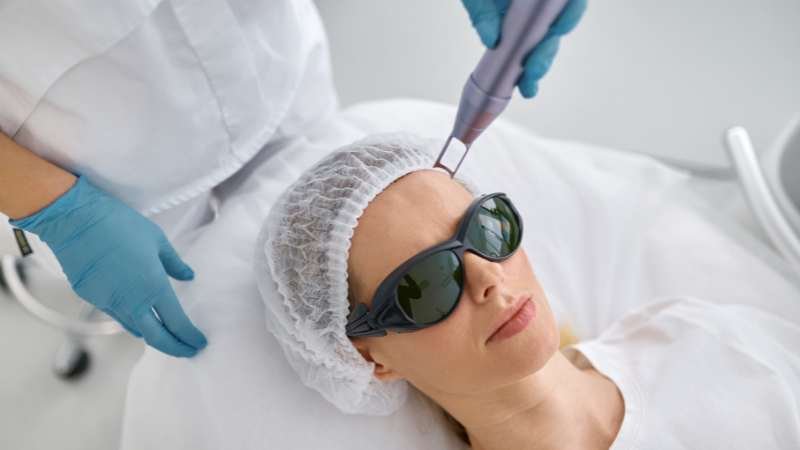
● Laser treatments (after active acne is controlled)
At Anudhi Clinic, we provide personalized treatment plans for cystic acne to reduce inflammation and minimize long-term scarring.
6. Cystic Acne
It develops deep within the skin and often leaves scars if not treated early.
Symptoms
● Large painful cysts
● Deep swelling
● Severe inflammation
● Acne scars
Treatment
Treatment options include:
● Prescription medications
● Oral antibiotics
● Hormonal treatment
● Acne scar prevention
● Laser treatments (after active acne is controlled)
At Anudhi Clinic, we provide personalized treatment plans for cystic acne to reduce inflammation and minimize long-term scarring.
Why Do Some People Get Acne More Often?
Several factors can make acne recur frequently, including:
● Hormonal imbalance
● Stress
● Excessive oil production
● Genetics
● Inappropriate skincare products
● Lack of proper cleansing
● Wearing makeup for long hours without removal
Understanding your skin type and following a dermatologist-recommended routine can help control breakouts more effectively.
Best Treatment Options for Different Types of Acne
There is no single treatment that works for every type of acne. The best treatment depends on the severity of the condition, skin type, age, and the underlying cause.
At Anudhi Clinic, our dermatologists carefully evaluate your skin before recommending a personalized treatment plan.
Morning Skincare Routine for Acne-Prone Skin
A proper skincare routine helps reduce breakouts and supports healthy skin.
Step 1: Gentle Cleanser
Wash your face with a dermatologist-recommended cleanser to remove excess oil without drying your skin.
Step 2: Acne Treatment Serum
Use products containing ingredients such as:
● Salicylic Acid
● Niacinamide
● Benzoyl Peroxide
These ingredients help control oil production and reduce inflammation.
Step 3: Oil-Free Moisturizer
Hydration is important, even for oily skin.
Choose a lightweight, non-comedogenic moisturizer.
Step 4: Sunscreen
Always apply SPF 30 or higher before going outdoors.
Sun protection helps prevent pigmentation and acne scars from becoming darker.
Morning Skincare Routine for Acne-Prone Skin
A proper skincare routine helps reduce breakouts and supports healthy skin.
Step 1: Gentle Cleanser
Wash your face with a dermatologist-recommended cleanser to remove excess oil without drying your skin.
Step 2: Acne Treatment Serum
Use products containing ingredients such as:
● Salicylic Acid
● Niacinamide
● Benzoyl Peroxide
These ingredients help control oil production and reduce inflammation.
Step 3: Oil-Free Moisturizer
Hydration is important, even for oily skin.
Choose a lightweight, non-comedogenic moisturizer.
Step 4: Sunscreen
Always apply SPF 30 or higher before going outdoors.
Sun protection helps prevent pigmentation and acne scars from becoming darker.
Foods That May Affect Acne
Although diet is not the sole cause of acne, certain foods may trigger breakouts in some people.
Foods that may worsen acne include:
● Sugary drinks
● Processed foods
● Excess dairy
● High-glycemic foods
● Fried foods
Instead, include:
● Fresh fruits
● Green vegetables
● Nuts and seeds
● Whole grains
● Lean proteins
● Plenty of water
A balanced diet supports overall skin health.
Common Mistakes That Make Acne Worse
Many people unknowingly worsen their acne by following incorrect skincare habits.
Avoid these common mistakes:
● Popping pimples
● Washing your face too frequently
● Using harsh scrubs
● Sleeping with makeup on
● Skipping sunscreen
● Using products that clog pores
● Sharing makeup brushes or towels
Simple lifestyle changes can make a significant difference in controlling acne.
Can Acne Leave Permanent Scars?
Yes.
Severe acne, especially nodules and cystic acne, can damage the deeper layers of the skin and leave permanent scars if not treated early.
This is why dermatologists recommend professional treatment rather than relying only on home remedies.
Acne scars can often be improved with treatments such as:
● Chemical Peels
● Microneedling
● Laser Resurfacing
● PRP Therapy
● Subcision
The best treatment depends on the type and severity of the scars.
How Can Anudhi Clinic Help You?
At Anudhi Clinic, we understand that every person’s skin is different. Simply copying skincare advice from social media may not give you the results you’re looking for. The first step to clear skin is identifying the exact type and cause of your acne.
Our experienced dermatologists perform a detailed skin assessment before creating a personalized treatment plan based on your skin type and acne severity.
We offer advanced acne care services including:
● Acne Treatment
● Personalized Skincare Consultation
● Medical-Grade Skincare Products
Our goal is not just to treat active acne but also to reduce future breakouts, improve skin texture, and prevent acne scars.
If you’re struggling with persistent acne or recurring breakouts, our team at Anudhi Clinic is here to help you achieve healthier, clearer skin with safe and effective treatment options.
Why Choose Anudhi Clinic in Chennai?
Patients across Chennai trust Anudhi Clinic for expert dermatology care because we provide:
● Experienced Dermatologists
● Personalized Acne Treatment Plans
● Advanced Skin Analysis
● Modern Dermatology Technology
● Evidence-Based Treatments
● Patient-Centered Care
Whether you have occasional pimples or severe acne, we recommend treatments based on your skin’s unique needs rather than a one-size-fits-all approach.
Frequently Asked Questions
1. What are the different types of acne?
The main types of acne include whiteheads, blackheads, papules, pustules, nodules, and cystic acne.
2. Which type of acne is the most severe?
Nodulocystic acne is generally considered the most severe because it develops deep beneath the skin and may cause permanent scars.
3. Can acne be cured permanently?
Acne can usually be controlled effectively with proper skincare and medical treatment, although some people may experience recurring breakouts.
4. Should I pop pimples?
No. Popping pimples increases the risk of infection, pigmentation, and acne scars.
5. Can stress cause acne?
Stress can worsen acne by affecting hormone levels and increasing oil production.
6. Is sunscreen necessary for acne-prone skin?
Yes. Sunscreen protects the skin from UV damage and helps prevent acne marks from becoming darker.
7. When should I visit a dermatologist?
A Dermatologist can accurately diagnose and manage any type of Acne. Hence a Dermatologist consultation is helpful before trying any over the counter products.
8. Does diet affect acne?
For some individuals, high-sugar and processed foods may contribute to breakouts. A healthy, balanced diet supports overall skin health.
9. How long does acne treatment take?
Results vary depending on the type and severity of acne, but noticeable improvement often takes several weeks to a few months.
10. Where can I get professional acne treatment in Chennai?
Anudhi Clinic offers personalized acne diagnosis and treatment plans designed to manage all types of acne and improve long-term skin health.
Conclusion
Acne is more than just a cosmetic concern. Understanding the Different Types of Acne is essential for choosing the right treatment and preventing long-term skin damage. Whether you have whiteheads, blackheads, papules, pustules, nodules, or cystic acne, early diagnosis and professional care can make a significant difference.
At Anudhi Clinic, we provide personalized acne treatments based on your skin type, lifestyle, and specific concerns. Our experienced dermatologists use advanced treatment methods to help reduce acne, minimize scarring, and restore healthy, confident skin.
If you’re experiencing persistent breakouts or acne scars, book a consultation with Anudhi Clinic and take the first step toward clearer, healthier skin.