
Uneven skin tone, dark patches, and stubborn pigmentation are common skin concerns that affect people of all ages. Whether caused by prolonged sun exposure, hormonal changes, acne scars, or aging, pigmentation can impact your confidence and make your skin appear dull or uneven.
The good news is that modern dermatology offers several safe and effective treatment options. Pigmentation Treatment in Chennai focuses on identifying the root cause of discoloration and creating a personalized treatment plan to improve skin clarity and restore a healthy, even complexion.
At Anudhi Clinic, our dermatologists evaluate your skin thoroughly before recommending treatments that are suitable for your skin type, lifestyle, and pigmentation concern.
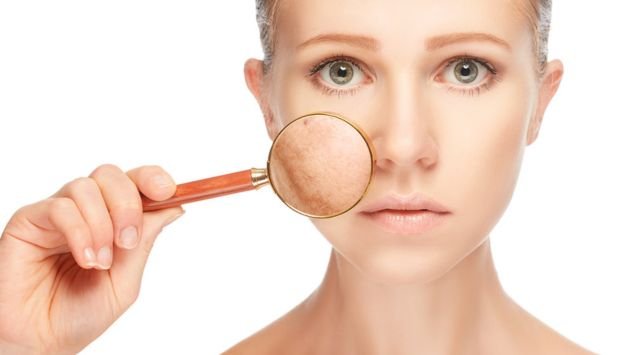
What Is Skin Pigmentation?
Skin pigmentation refers to the natural colour of your skin, which is determined by a pigment called melanin. Melanin is produced by specialized skin cells known as melanocytes.
When melanin production becomes uneven or excessive, it can result in:
- Dark spots
- Patchy skin
- Uneven skin tone
- Brown discoloration
- Post-inflammatory marks
The appearance and severity of pigmentation vary from person to person, making professional evaluation important for selecting the most effective treatment.
Common Causes of Pigmentation
Understanding the cause of pigmentation helps dermatologists recommend the right treatment.
Sun Exposure
Ultraviolet (UV) rays stimulate melanin production. Without regular sunscreen use, prolonged sun exposure can lead to tanning, freckles,aging or dark spots.
Hormonal Changes
Hormonal fluctuations during pregnancy or due to certain medications may contribute to melasma, a common form of pigmentation that usually appears on the cheeks, forehead, and upper lip.
Acne Marks
After acne heals, some people develop post-inflammatory hyperpigmentation, leaving dark marks that may take months to fade without treatment.
Aging
As we grow older, years of sun exposure and natural skin changes can lead to age spots and uneven pigmentation.
Skin Injuries
Burns, cuts, allergic reactions, or inflammation may leave temporary or long-lasting dark patches on the skin.
Genetics
Some pigmentation disorders run in families, increasing the likelihood of developing certain skin conditions.
Different Types of Pigmentation
Pigmentation is not the same for everyone. Identifying the type of pigmentation is the first step toward successful treatment.
Melasma
Melasma appears as symmetrical brown or grey patches, usually on the cheeks, forehead, nose, and upper lip. It is commonly associated with hormonal changes and sun exposure.
Post-Inflammatory Hyperpigmentation (PIH)
Dark marks left behind after acne, eczema, burns, or skin injuries are known as post-inflammatory hyperpigmentation.
Sunspots (Solar Lentigines)
These develop after years of UV exposure and are commonly seen on the face, hands, shoulders, and arms.
Freckles
Freckles are small pigmented spots that become darker with sun exposure. They are often influenced by genetics.
Uneven Skin Tone
Some individuals experience diffuse pigmentation that causes the skin to appear dull or patchy without distinct dark spots.
Acanthosis nigricans
Pigmentation around the neck, face and flexural areas, caused by overweight or insulin resistance
Lichen planus pigmentosus
Greyish brown pigmentation in the sun-exposed areas.
Symptoms of Pigmentation
You may benefit from a dermatology consultation if you notice:
- Dark patches on the face
- Uneven skin tone
- Brown or grey discoloration
- Acne marks that do not fade
- Sunspots
- Pigmentation that worsens over time
- Recurring melasma
Early diagnosis often leads to better treatment outcomes.
Pigmentation Treatment Options
Modern dermatology offers several solutions depending on the type and severity of pigmentation.
Chemical Peels
Chemical peels gently exfoliate the upper layers of damaged skin, helping reduce pigmentation and improve overall skin texture.
They are commonly recommended for:
- Acne marks
- Mild pigmentation
- Uneven skin tone
- Sun damage
Laser Toning
Laser toning targets excess melanin while stimulating collagen production, making it useful for selected pigmentation concerns.
Benefits include:
- Improved skin clarity
- Reduced pigmentation
- Better skin texture
- Brighter complexion
Medical Skincare
Dermatologist-prescribed creams, serums, and sunscreens play an important role in reducing pigmentation and preventing recurrence.
Combination Therapy
For some patients, the best results are achieved by combining professional procedures with medical-grade skincare and sun protection.
Your dermatologist will recommend a treatment plan based on your skin type, the cause of pigmentation, and your treatment goals.
Benefits of Professional Pigmentation Treatment
Professional dermatology treatments offer several advantages:
- Improved skin tone
- Reduction in dark spots
- Better skin texture
- Brighter complexion
- Healthier-looking skin
- Personalized treatment plans
- Long-term skin management
The best outcomes are achieved when treatment is combined with consistent skincare and regular follow-up appointments.
How Can Anudhi Clinic Help You?
At Anudhi Clinic, we understand that pigmentation affects everyone differently. The cause, depth, and pattern of pigmentation vary from one individual to another, which is why every patient receives a personalized evaluation before treatment begins. Our experienced dermatologists assess your skin type, medical history, lifestyle, and pigmentation pattern to create a customized treatment plan focused on improving skin clarity while protecting long-term skin health. Our goal is to reduce pigmentation safely, improve skin texture, and help you achieve a naturally healthy and even-looking complexion.
Why Choose Anudhi Clinic?
Patients choose Anudhi Clinic because we offer:
- Experienced Dermatologists
- Personalized Skin Analysis
- Evidence-Based Treatment Plans
- Advanced Dermatology Technology
- Patient-Centered Care
- Regular Follow-Up Support
Every treatment is planned according to your skin condition and long-term skincare goals, ensuring safe and effective care.
Frequently Asked Questions
1. What causes skin pigmentation?
Pigmentation can result from sun exposure, hormonal changes, acne marks, aging, skin injuries, or genetic factors.
2. Can pigmentation be treated permanently?
The success of treatment depends on the underlying cause. Many cases improve significantly with appropriate dermatology care, but some conditions require long-term maintenance to reduce recurrence.
3. Which treatment is best for pigmentation?
The ideal treatment varies based on your skin type and the cause of pigmentation. Your dermatologist may recommend chemical peels, laser, medical skincare, or a combination of treatments.
4. Is pigmentation treatment safe?
Yes. When performed or supervised by qualified dermatologists, pigmentation treatments are generally safe for suitable candidates.
5. How many sessions will I need?
The number of sessions depends on the severity and type of pigmentation as well as your skin’s response to treatment.
6. Can pigmentation return after treatment?
Yes, especially if the underlying cause persists or sun protection is neglected. Regular sunscreen use and proper skincare help reduce the risk of recurrence.
7. Is pigmentation treatment suitable for all skin types?
Many pigmentation treatments can be customized for different skin types after a professional skin assessment.
8. Is Pigmentation Treatment suitable for acne marks?
Yes. Pigmentation Treatment may help improve post-inflammatory pigmentation caused by acne, depending on the severity and your skin condition.
9. How can I prevent pigmentation from worsening?
Daily sunscreen use, avoiding unnecessary sun exposure, following a suitable skincare routine, and consulting a dermatologist early can help prevent pigmentation from becoming more noticeable.
10. Where can I get professional pigmentation treatment?
Anudhi Clinic provides personalized dermatology consultations and advanced treatment options designed to address different types of pigmentation while improving overall skin health.
Conclusion
Pigmentation is a common skin concern, but it can often be effectively managed with the right diagnosis, professional treatment, and consistent skincare. Pigmentation Treatment in Chennai focuses on addressing the underlying cause of discoloration while improving skin tone, texture, and overall skin health.
At Anudhi Clinic, our experienced dermatologists create personalized treatment plans using evidence-based dermatology techniques and advanced skin care solutions. If you’re looking to achieve a healthier, more even-toned complexion, book a consultation with our team and begin your journey toward clearer, radiant skin.