
Hair loss is often thought of as a problem that mainly affects men, but women can experience hair thinning and hair loss too. In fact, female pattern hair loss is one of the most common causes of hair loss in women. It can affect women at different stages of life and may become more noticeable with age.
For many women, hair loss does not begin with a completely bald area. Instead, the hair may gradually become thinner, the center part may become wider, or the ponytail may feel less full than before. Because these changes can happen slowly, some women may not immediately realize that they are experiencing progressive hair loss.
If you are searching for Female Hair Loss in Chennai, getting the correct diagnosis is an important first step. Female pattern hair loss can look similar to other types of hair loss, but the treatment can be completely different.
At Anudhi Clinic, dermatologists can evaluate the scalp, hair-loss pattern, medical history, and possible contributing factors before recommending a personalized treatment plan.
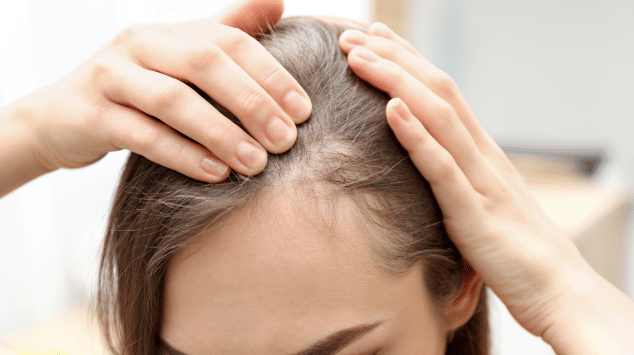
What Is Female Pattern Hair Loss?
Female pattern hair loss, also called androgenetic alopecia, is a hereditary form of hair loss that can cause gradual thinning of the hair.
Unlike the typical receding hairline often seen in men, women commonly experience:
● Widening of the center hair part
● Thinning over the top of the scalp
● Reduced hair density
● A thinner ponytail
● Gradual scalp visibility
The front hairline is often maintained, although some women may notice recession around the temples.
Female pattern hair loss is usually progressive. This means that without appropriate management, thinning may continue over time. However, women generally do not lose all of their scalp hair from this condition.
What Causes Female Pattern Hair Loss?
The main cause is genetic susceptibility. The genes involved can come from either side of the family, so it is not accurate to assume that hair loss is inherited only from the mother’s side.
Hormones may also play a role, particularly because female pattern hair loss becomes more common around and after menopause.
However, genetics and hormones are not the only reasons women lose hair. Other causes can occur at the same time, which is why professional diagnosis matters.
Common Signs of Female Hair Loss
Hair loss in women can be subtle at first.
Watch for these changes:
1. Widening Hair Part
One of the earliest and most noticeable signs can be a wider center part.
You may notice more scalp becoming visible when you part your hair.
2. Thinning at the Crown
Some women develop noticeable thinning over the top or crown of the scalp.
3. Increased Scalp Visibility
You may notice more scalp when your hair is wet or under bright lighting.
4. Gradual Hair Thinning
Instead of losing large amounts of hair suddenly, the individual strands may gradually become finer.
5. Temple Thinning
Some women may notice reduced density around the temples.
These symptoms do not automatically mean you have female pattern hair loss. Other conditions can produce similar changes.
Is Female Pattern Hair Loss the Same as Hair Fall?
Not necessarily.
Hair shedding and hair thinning are related but different concerns.
A person can experience increased shedding without permanent thinning. For example, temporary shedding can occur after significant stress, illness, childbirth, or major weight loss.
Female pattern hair loss is more commonly characterized by gradual reduction in hair density and follicle miniaturization.
This distinction is important because the treatment approach depends on the actual cause.
Other Causes of Hair Loss in Women
Not every woman with thinning hair has female pattern hair loss.
Several other conditions can cause hair loss.
Telogen Effluvium
Telogen effluvium is a form of excessive shedding that can occur after physical or emotional stress, illness, major surgery, significant weight loss, or childbirth.
The increased shedding may become noticeable 3-4 months after the triggering event.
In many cases, the hair cycle can recover after the underlying trigger is addressed.
Hormonal Changes
Hormonal changes can affect hair growth.
Hair loss may be associated with:
● Pregnancy
● Postpartum changes
● Menopause
● Thyroid disorders
● Certain hormonal conditions
Polycystic ovary syndrome (PCOS) / PMOS can also be associated with scalp hair thinning in some women.
If hair loss occurs along with irregular periods, acne, increased facial hair, or other hormonal symptoms, discussing these changes with a doctor is important.
Nutritional Deficiencies
Hair follicles require adequate nutrition to function properly.
In some women, nutritional deficiencies may contribute to hair loss.
Depending on your symptoms and medical history, a doctor may consider checking for deficiencies or other medical conditions.
It is not advisable to start multiple hair supplements without professional guidance. Taking excessive amounts of certain nutrients can actually worsen hair loss.
Alopecia Areata
Alopecia areata is an autoimmune condition that can cause sudden, smooth, round or oval patches of hair loss.
It is different from female pattern hair loss.
Alopecia areata may affect:
● Scalp
● Eyebrows
● Eyelashes
● Beard
● Other hair-bearing areas
If you notice sudden bald patches rather than gradual thinning, a dermatologist should evaluate the condition.
Traction Alopecia
Repeated pulling or tension can damage hair follicles.
Tight:
● Ponytails
● Braids
● Buns
● Hair extensions
● Other hairstyles
may contribute to traction-related hair loss when worn frequently or too tightly.
Early changes can sometimes be prevented from becoming permanent by reducing the tension on the scalp.
What Is the Best Treatment for Female Hair Loss?
There is no single treatment that is best for every woman.
The appropriate option depends on the diagnosis, severity, medical history, age, pregnancy status, and treatment goals.
The American Academy of Dermatology identifies minoxidil as the most-recommended treatment for female pattern hair loss. It is available in different strengths and formulations, and treatment should be used according to appropriate medical guidance.
Platelet-rich plasma, or PRP, is a procedure that uses components from the patient’s own blood and injects the prepared platelet-rich material into selected areas of the scalp.
Research into PRP for female pattern hair loss has shown promising results, but the evidence is still developing and more research is needed to establish how effective it is and which patients benefit most.
Therefore, PRP should be considered as one possible treatment option rather than a guaranteed solution for every woman.
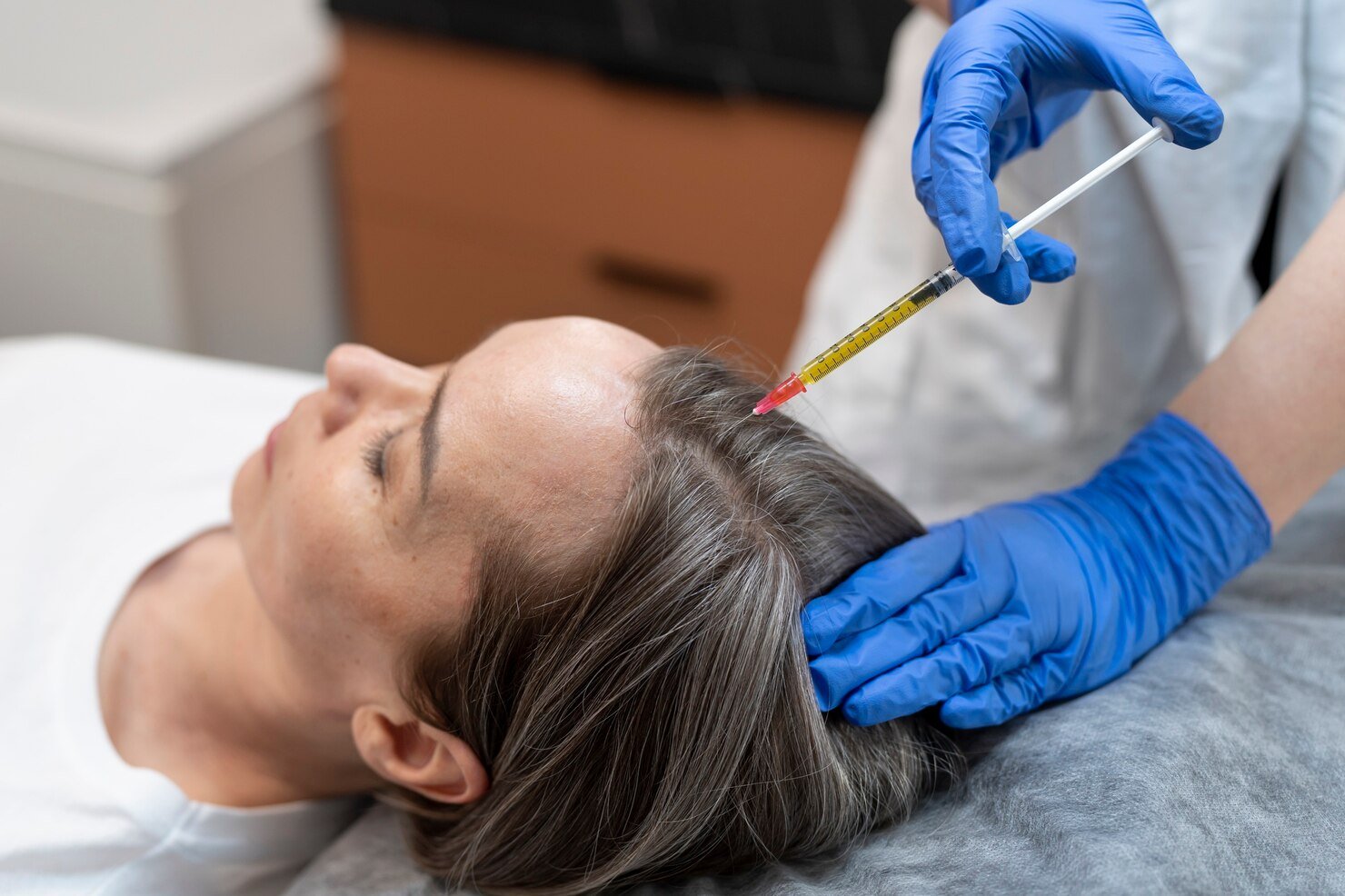
Growth Factor Concentrate, or GFC, is another regenerative hair treatment offered in some dermatology practices.
It is designed to use concentrated growth-factor components to support the scalp and hair follicles.
The suitability of GFC depends on the individual’s diagnosis and treatment goals. It should not automatically replace established medical treatments for female pattern hair loss.
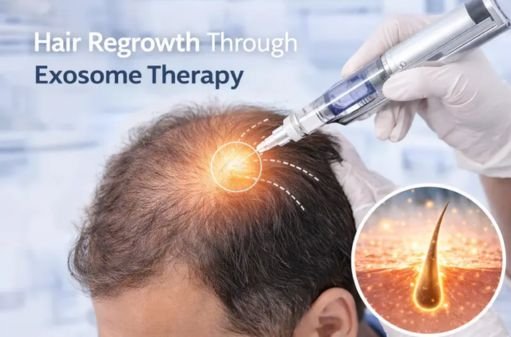
Exosome-based hair treatments are an emerging area of regenerative hair care.
These treatments are being studied for their potential role in supporting hair follicles and the scalp environment.
However, evidence and treatment protocols continue to develop. Patients should discuss the potential benefits, limitations, evidence, and safety considerations with a qualified dermatologist before choosing this option.
Can Female Hair Loss Be Reversed?
It depends on the cause.
Some forms of hair shedding can improve when the underlying trigger is addressed. Female pattern hair loss can often be managed, and treatment may slow progression and help improve hair density. Starting treatment early generally provides a better opportunity to preserve existing hair.
However, no treatment can guarantee complete restoration of all lost hair.
Hair Care Tips for Women With Thinning Hair
Medical treatment is only one part of maintaining healthy-looking hair.
Choose a Gentle Shampoo
Use a shampoo appropriate for your scalp condition.
Condition Your Hair
Conditioner can help reduce breakage and make fragile hair easier to manage.
Avoid Excessive Heat
Frequent use of straighteners, curling irons, and high-heat blow drying can damage the hair shaft.
Avoid Tight Hairstyles
Reduce hairstyles that repeatedly pull on the scalp.
Be Gentle When Brushing
Avoid aggressive brushing, especially when the hair is wet.
Eat a Balanced Diet
Adequate protein and essential nutrients support overall hair health.
Avoid Unnecessary Supplements
Take supplements only when recommended based on your nutritional needs. Excessive intake of certain nutrients may worsen hair loss.
How Can Anudhi Clinic Help With Female Hair Loss?
At Anudhi Clinic, we understand that hair loss in women can have multiple causes. Our approach begins with understanding the pattern and possible reason behind the hair loss rather than immediately recommending a procedure.
During a consultation, the dermatologist can evaluate:
● Hair density
● Scalp condition
● Hair-part widening
● Pattern of thinning
● Family history
● Hormonal factors
● Lifestyle factors
● Previous treatments
Depending on the diagnosis, the treatment plan may include medical management, scalp care, PRP, GFC, exosome-based treatments, or referral for other appropriate options.
Frequently Asked Questions
1. What is female pattern hair loss?
Female pattern hair loss is a hereditary form of progressive hair thinning that commonly affects the top of the scalp and often begins with a widening center part.
2. What is the first sign of female pattern hair loss?
A widening hair part or a reduction in ponytail fullness can be an early sign.
3. Can young women experience female pattern hair loss?
Yes. Although it becomes more common with age, female pattern hair loss can begin earlier in life.
4. Can PCOS cause hair thinning?
Hormonal conditions such as PCOS can be associated with scalp hair thinning in some women. A doctor should evaluate the complete picture rather than assuming PCOS is the cause.
5. Is female hair loss permanent?
It depends on the cause. Some forms of hair shedding are temporary, while hereditary female pattern hair loss tends to be progressive without treatment.
6. Is minoxidil effective for women?
Minoxidil is the most-recommended treatment for female pattern hair loss according to the American Academy of Dermatology. It generally requires consistent use over several months to assess the response.
7. Can PRP help female pattern hair loss?
PRP may help some women, but research is still developing. It should be considered based on individual diagnosis and treatment goals rather than as a guaranteed treatment.
8. Can female hair loss be treated without surgery?
Yes. Depending on the cause, treatment may include topical or oral medications, scalp care, and selected non-surgical procedures.
9. When should I see a dermatologist?
See a dermatologist if thinning is persistent or progressing, your part is widening, you develop bald patches, or hair loss occurs with scalp symptoms.
10. Where can I get Female Hair Loss in Chennai evaluated?
Anudhi Clinic provides personalized dermatology evaluation for women experiencing hair thinning and different types of hair loss.
Conclusion
Female hair loss can be caused by genetics, hormones, stress, nutritional issues, scalp conditions, autoimmune disorders, or other factors. Female pattern hair loss is particularly common and often appears as gradual thinning around the center part and top of the scalp.
If you are concerned about Female Hair Loss in Chennai, Anudhi Clinic can help identify the likely cause and guide you toward an appropriate treatment plan. Depending on your diagnosis, treatment may include medical management, PRP, GFC, emerging regenerative options, or other suitable approaches.
The earlier persistent hair thinning is evaluated, the better the opportunity to understand the cause and protect the hair you still have.