
Acne scars, enlarged pores, uneven skin texture, fine lines, and dull-looking skin are common concerns for many people. While skincare products can support healthy skin, some concerns may need professional dermatology treatments to achieve noticeable improvement.
One treatment that has gained popularity for improving skin texture and stimulating collagen is microneedling Radio Frequency. It is a minimally invasive procedure that creates controlled microscopic injuries in the skin to encourage the body’s natural healing response.
If you’re considering MNRF Treatment, understanding how the procedure works, who can benefit from it, its possible results, and the recovery process can help you make an informed decision.
At Anudhi Clinic, our dermatologists evaluate your skin condition and concerns before recommending MNRF or another treatment that may be more appropriate for your skin.
What Is Microneedling Radio Frequency?
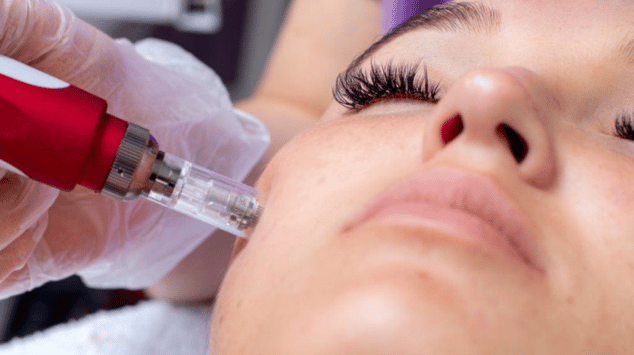
MNRF is a minimally invasive dermatological procedure that uses a device containing very fine needles to create tiny, controlled punctures in the skin.
These microscopic channels trigger the skin’s natural healing response. As part of this process, the skin produces collagen and elastin, two proteins that help maintain firmness, strength, and elasticity.
Because collagen production naturally decreases with age, stimulating collagen can help improve the appearance of certain scars, fine lines, and uneven skin texture.
MNRF is also known as collagen induction therapy.
How Does MNRF Work?
The procedure works by creating controlled micro-injuries in the skin.
When the skin detects these tiny injuries, it begins a natural repair process.
This process can involve:
● Increased collagen production
● Increased elastin production
● Skin remodeling
● Improved skin texture
● Gradual improvement in the appearance of certain scars
The treatment does not remove the entire surface layer of the skin. Instead, it works through controlled micro-injury and subsequent healing.
The depth and technique used depend on the treatment area and the concern being addressed.
What Skin Problems Can MNRF Help With?
MNRF can be used for several skin concerns.
Acne Scars
One of the most common reasons people consider MNRF is acne scarring.
It may help improve the appearance of certain depressed or atrophic acne scars by encouraging collagen remodeling.
However, not every type of acne scar responds in the same way. Deep scars may require combination treatments.
Uneven Skin Texture
MNRF may help create smoother-looking skin by encouraging collagen remodeling.
Fine Lines
Collagen stimulation may gradually improve the appearance of certain fine lines.
Enlarged Pores
Improving skin structure may make enlarged pores appear less noticeable in some individuals.
Stretch Marks
MNRF can also be used for selected stretch marks, although results can vary depending on the age, depth, and location of the marks.
Who Should Avoid MNRF ?
A dermatologist may recommend postponing or avoiding MNRF if you have:
● An active skin infection
● Active inflammatory acne in the treatment area
● Open wounds
● Certain skin conditions
● A tendency to develop keloid scars
● Poor wound healing
● Certain medical conditions or medications that affect healing
If you are unsure whether MNRF is suitable for you, a professional consultation is important.
Benefits of MNRF
MNRF offers several potential benefits when performed appropriately.
Stimulates Collagen
The controlled micro-injuries encourage the body’s natural collagen-producing response.
Improves Skin Texture
Regular skin remodeling may help create smoother-looking skin.
Helps Reduce Acne Scar Appearance
Selected acne scars may become less noticeable as collagen remodeling occurs.
May Improve Fine Lines
Increased collagen can help improve the appearance of some fine lines.
Minimally Invasive
Unlike surgical procedures, MNRF does not involve large cuts or incisions.
Suitable for Different Skin Concerns
The procedure can be customized based on the patient’s skin condition and treatment goals.
What Happens During a MNRF Procedure?
A typical treatment involves several steps.
Step 1: Skin Consultation
The dermatologist examines your skin and identifies the concern you want to address.
Your medical history and previous treatments may also be discussed.
Step 2: Skin Preparation
The treatment area is cleansed thoroughly.
A topical numbing cream may be applied to improve comfort during the procedure.
Step 3: MNRF
The dermatologist uses a sterile MNRF device over the selected area.
The device creates controlled microscopic punctures at an appropriate depth.
Step 4: Post-Treatment Care
The skin may appear red or feel warm immediately after treatment.
Your dermatologist will provide specific aftercare instructions based on your skin and treatment.
Is MNRF Painful?
Most patients experience some discomfort, but a topical numbing cream can help make the procedure more comfortable.
You may experience:
● Mild prickling
● Warmth
● Redness
● Mild sensitivity
The level of discomfort varies depending on the treatment area, needle depth, and individual sensitivity.
How Long Does a MNRF Session Take?
The treatment duration depends on the area being treated.
A smaller area may take less time, while larger areas may require longer.
The consultation, numbing time, procedure, and aftercare discussion should all be considered when planning your appointment.
Your dermatologist can provide a more accurate estimate during consultation.
When Will You See Results?
MNRF results are gradual because the treatment relies partly on the body’s natural collagen remodeling process.
Some people may notice improvements in skin texture after the initial healing period, but more noticeable changes may develop over several weeks or months.
For acne scars and other concerns, multiple sessions may be recommended.
The number of sessions depends on:
● Type of skin concern
● Severity of scars
● Skin condition
● Treatment depth
● Individual response
Aftercare Tips
Proper aftercare is important for protecting the skin while it heals.
Use Gentle Skincare
Use a mild cleanser and products recommended by your dermatologist.
Protect Your Skin From the Sun
Sun exposure can irritate recently treated skin and may increase pigmentation risk.
Use sunscreen as advised by your dermatologist.
Avoid Harsh Products
Do not immediately use strong exfoliants, scrubs, or active ingredients unless your dermatologist tells you to.
Avoid Excessive Heat
Your dermatologist may recommend avoiding activities such as saunas, steam rooms, or intense exercise for a short period after treatment.
Do Not Pick or Scratch
Allow the skin to heal naturally.
How Can Anudhi Clinic Help You?
At Anudhi Clinic, we understand that every person’s skin and scar pattern is different. Rather than recommending the same treatment to everyone, our dermatologists first assess your skin and identify the underlying concern.
During your consultation, the dermatologist may evaluate:
● Skin type
● Acne scar type
● Pigmentation
● Skin texture
● Pore appearance
● Fine lines
● Previous treatments
● Overall skin health
Based on this evaluation, your dermatologist can determine whether MNRF is appropriate or whether another treatment or combination approach may provide better results.
Frequently Asked Questions
1. What is microneedling radio frequency?
Microneedling radio frequency (MNRF) is a minimally invasive procedure that creates controlled microscopic punctures in the skin to stimulate the body’s natural healing and collagen-remodeling response.
2. Is MNRF good for acne scars?
It may help improve the appearance of certain depressed acne scars by stimulating collagen remodeling. The suitability depends on the type and depth of the scar.
3. How many MNRF sessions are needed?
The number of sessions varies depending on the skin concern and its severity. Your dermatologist will recommend a suitable treatment schedule after examining your skin.
4. Is MNRF painful?
Most people experience mild to moderate discomfort. A topical numbing cream may be used to improve comfort.
5. How long does it take to recover?
Recovery varies depending on the treatment depth and individual skin response. Redness and sensitivity are common immediately after treatment and generally improve as the skin heals.
6. Can MNRF remove acne scars completely?
No treatment can guarantee complete removal of every acne scar. MNRF may make certain scars less noticeable, but results vary.
7. Can MNRF be used for pigmentation?
MNRF may be used for selected pigmentation concerns, but treatment must be carefully planned because some individuals may develop increased pigmentation after skin injury.
8. Is MNRF safe for all skin types?
It may be suitable for many skin types, but the procedure should be performed or supervised by an appropriately qualified professional, particularly for people prone to pigmentation or scarring.
9. Can MNRF be combined with other treatments?
Yes. Depending on your skin concern, a dermatologist may recommend a combination treatment plan. The timing and suitability of each treatment should be professionally assessed.
10. Where can I get professional MNRF treatment in Chennai?
Anudhi Clinic provides personalized dermatology consultations to determine whether MNRF or another skin treatment is appropriate for your concerns.
Conclusion
MNRF is a minimally invasive skin treatment that uses controlled micro-injury to stimulate the body’s natural collagen-remodeling process. It may help improve certain acne scars, uneven skin texture, fine lines, and other skin concerns when appropriately selected and performed.
If you’re considering Microneedling Radio Frequency Treatment in Chennai, Anudhi Clinic can help you understand whether the procedure is suitable for your skin. Our dermatologists assess your individual concerns and create a personalized treatment plan focused on safe, realistic, and natural-looking improvements.